Mineral-Rich Foods Compared: Calcium, Iron, Potassium, Zinc
USDA and Japanese official figures comparing calcium, iron, potassium, magnesium and zinc in dairy, tofu, greens, seafood, meat, beans and seeds.

"Eat more minerals" is advice nobody can follow at the grocery store. Minerals are a group of different elements, and the foods that are rich in one are often ordinary in another. Cheese is full of calcium but has little iron; liver is the reverse. Potatoes and bananas carry potassium but not much calcium.
This guide compares five minerals across foods Americans actually buy, using USDA FoodData Central, and adds a table from Japan's official food composition tables to show how processing can change the numbers.
Five minerals and where they tend to be
- Calcium — dairy, tofu set with calcium salts, canned fish eaten with the bones, some leafy greens
- Iron — liver and red meat, shellfish, beans and lentils, dark leafy greens, seeds
- Potassium — potatoes, beans, bananas, avocados, leafy greens, shellfish
- Magnesium — seeds and nuts, beans, whole grains, leafy greens
- Zinc — oysters above all, then meat, liver and seeds
None of these comes from a single "best" food, which is why a few minerals at a time is a more useful way to look at a shopping list.
Foods you eat by the serving
The table shows 100 g of each food as you would eat it. For reference, a cup of milk weighs a little more than double that, and a slice of cheddar much less.
| Food | Calcium (mg) | Iron (mg) | Potassium (mg) | Magnesium (mg) | Zinc (mg) |
|---|---|---|---|---|---|
| Milk, 2% | 120 | 0.02 | 140 | 11 | 0.48 |
| Yogurt, plain, low fat | 183 | 0.08 | 234 | 17 | 0.89 |
| Cheddar cheese | 710 | 0.14 | 76 | 27 | 3.6 |
| Tofu, firm (calcium sulfate) | 683 | 2.7 | 237 | 58 | 1.6 |
| Spinach, boiled | 136 | 3.6 | 466 | 87 | 0.76 |
| Kale, boiled | 150 | 0.84 | 144 | 25 | 0.27 |
| Collard greens, boiled | 141 | 1.1 | 117 | 21 | 0.23 |
| Sardines, canned in oil, with bones | 382 | 2.9 | 397 | 39 | 1.3 |
| Clams, cooked | 92 | 2.8 | 628 | 18 | 2.7 |
| Oysters, eastern, farmed, raw | 44 | 5.8 | 124 | 33 | 37.9 |
| Beef round, lean, broiled | 5 | 2.7 | 423 | 28 | 4.7 |
| Chicken liver, simmered | 11 | 11.6 | 263 | 25 | 4.0 |
| Black beans, cooked | 27 | 2.1 | 355 | 70 | 1.1 |
| Lentils, cooked | 19 | 3.3 | 369 | 36 | 1.3 |
| Potato, baked with skin | 15 | 1.1 | 535 | 28 | 0.36 |
| Banana | 5 | 0.26 | 358 | 27 | 0.15 |
| Avocado | 12 | 0.55 | 485 | 29 | 0.64 |
Source: USDA FoodData Central
Reading across the rows:
- Calcium. Cheddar and calcium-set firm tofu are far ahead per 100 g, followed by canned sardines, which keep their soft bones. Milk and yogurt are lower per 100 g but are eaten in larger amounts
- Iron. Chicken liver is the highest row by a wide margin. Oysters come next, then boiled spinach and lentils. Lean beef sits close to clams and canned sardines
- Potassium. Clams, baked potato with the skin, avocado and boiled spinach lead. Bananas are well known for potassium but are not the top row here
- Magnesium. Boiled spinach and black beans lead among the serving-size foods; dairy and meat are modest
- Zinc. Oysters are in a category of their own, many times higher than any other row. Lean beef and chicken liver follow
Seeds and nuts, by the spoonful
Seeds are mineral-dense, but nobody eats 100 g of sesame seeds. The next table uses 10 g, roughly a tablespoon of seeds or a small handful of almonds.
| Food | Calcium (mg) | Iron (mg) | Potassium (mg) | Magnesium (mg) | Zinc (mg) |
|---|---|---|---|---|---|
| Sesame seeds, whole | 97.5 | 1.5 | 46.8 | 35.1 | 0.78 |
| Tahini | 14.1 | 0.44 | 45.9 | 9.5 | 0.46 |
| Almonds | 26.9 | 0.37 | 73.3 | 27.0 | 0.31 |
| Pumpkin seed kernels (pepitas) | 4.6 | 0.88 | 80.9 | 59.2 | 0.78 |
Source: USDA FoodData Central
Even at this small amount, pumpkin seeds and sesame seeds add meaningful magnesium and iron, and whole sesame seeds bring calcium. Tahini, which is made from sesame, shows less calcium than whole sesame seeds in the USDA data, since much tahini is made from hulled seeds.
Same food, different method
How a food is made can change its minerals as much as which food you pick. Japan's official tables list these variations separately, so the following comparison comes from that source.
| Food | Calcium (mg) | Iron (mg) | Magnesium (mg) |
|---|---|---|---|
| Firm tofu, set with magnesium chloride | 40 | 1.5 | 76 |
| Firm tofu, set with calcium sulfate | 150 | 1.5 | 34 |
| Hijiki seaweed, processed in stainless pots, boiled | 96 | 0.3 | 37 |
| Hijiki seaweed, processed in iron pots, boiled | 96 | 2.7 | 37 |
Source: MEXT, Standard Tables of Food Composition in Japan (8th rev., 2023 suppl.)
- Tofu coagulant. Tofu set with calcium sulfate has several times the calcium of tofu set with magnesium chloride (nigari), while the nigari tofu carries more magnesium. US tofu packages list the coagulant in the ingredients
- Hijiki processing. The iron in boiled hijiki is many times higher when it was processed in iron pots than in stainless steel ones. The seaweed is the same; the pot is the difference
Pairings that change what you absorb
How much of a mineral the body takes up depends on what else is in the meal. These pairings are widely described in nutrition references:
Pairings that help
- Vitamin C with plant iron. Iron from beans, lentils and greens is absorbed better with vitamin C in the same meal. Think black beans with salsa and peppers, or lentil soup with a squeeze of lemon
- Meat or fish with plant iron. Adding even a small amount of meat or seafood to a bean dish helps too
Pairings that get in the way
- Tea or coffee with the meal. Compounds in tea and coffee reduce iron absorption from plant foods. Drinking them between meals instead of with the meal is a simple change
- Oxalate in spinach. Spinach's calcium is largely bound by oxalate, so it is better counted for iron, potassium and magnesium than for calcium
Cooking without losing minerals
- Steam or microwave vegetables instead of boiling them in lots of water, since potassium and magnesium move into the water
- Use the liquid when you do boil: soups, stews and bean cooking liquid keep the minerals in the meal
- Keep potato skins on. Baking or boiling potatoes in their skins holds more in
- Eat canned fish with the bones. With canned salmon or sardines, the soft bones are where much of the calcium is
- Toast and grind sesame seeds just before using them. Whole seeds often pass through unchewed
Reading minerals on a US label
The tables above describe plain foods. Packaged foods carry their own numbers, and the Nutrition Facts panel is where to find them:
- Calcium, iron and potassium are always listed on the current US label, in milligrams and as a percent Daily Value. Magnesium and zinc appear only when the maker chooses to list them or adds them
- Compare per serving, then check the serving size. A cereal with a high iron percentage per serving may list a serving smaller than the bowl you actually pour
- Fortified is not the same as naturally present. Fortified cereals, plant milks and orange juice can show minerals that the plain food barely contains. The ingredient list names the added forms, such as calcium carbonate or ferrous sulfate
- Plant milks vary widely by brand. Unfortified almond or oat drinks may carry little calcium, while fortified versions are made to resemble dairy milk. Shake the carton, since added calcium can settle at the bottom
Buying and storing dried, mineral-rich foods
- Seeds and nuts contain oil and can go rancid. Buy amounts you will finish in a few weeks, store opened bags airtight in a cool place, and refrigerate or freeze in hot weather
- Dried seaweed (nori, wakame, hijiki) should be kept sealed and dry; moisture makes it limp and clumpy
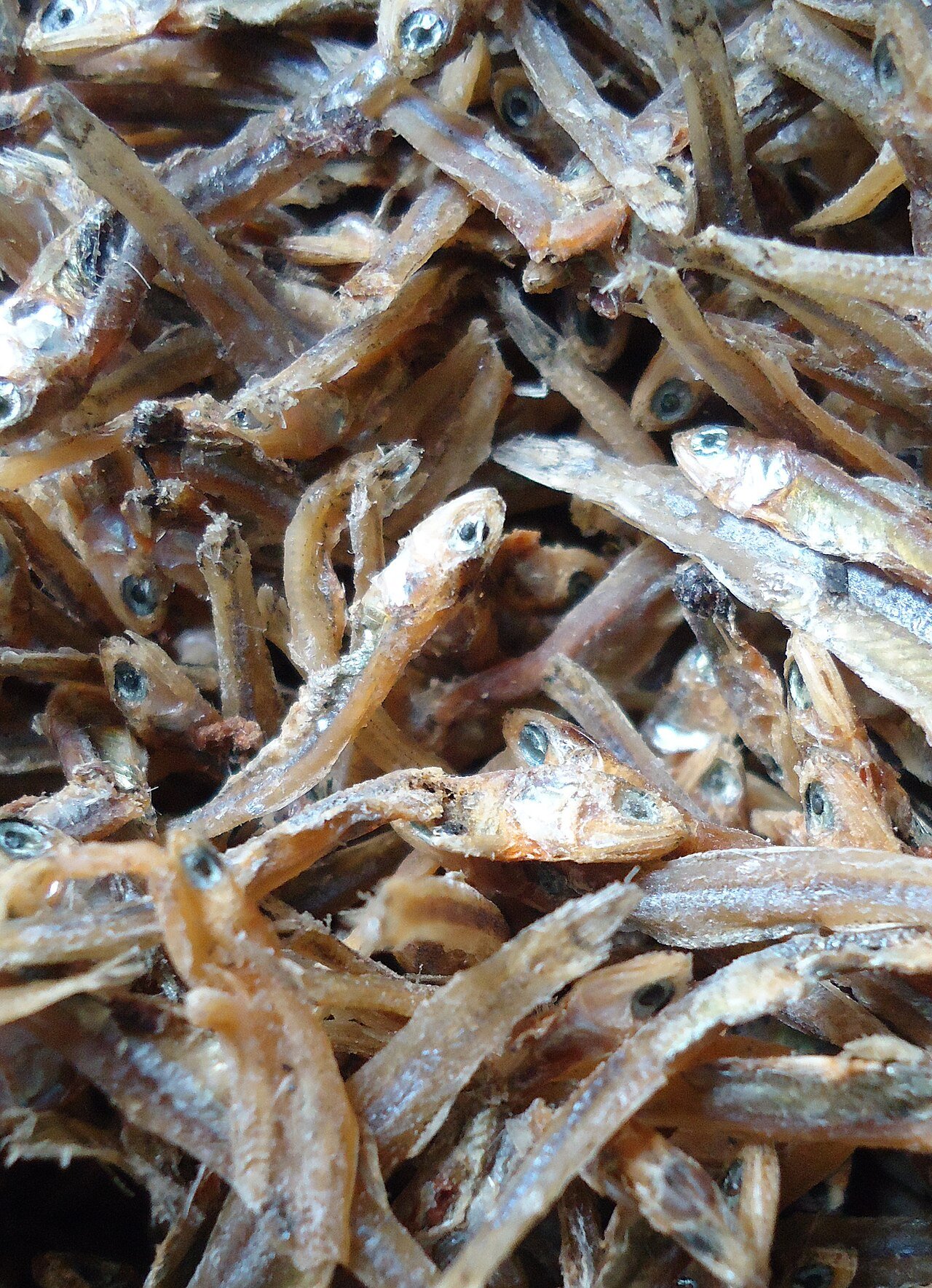
- Dried small fish such as anchovies keep best in the freezer once opened, since their oils oxidize at room temperature
- Canned sardines and salmon keep on the shelf until the date on the can. Once opened, transfer leftovers to a covered container and refrigerate
How different countries get their minerals
- United States — Milk, cheese and yogurt are the main calcium foods, and many breakfast cereals, juices and plant milks are fortified with calcium or iron. Check the Nutrition Facts panel, which lists calcium, iron and potassium
- Korea — Dried anchovies (myeolchi) stir-fried as a side dish, seaweed soup (miyeokguk) and tofu are everyday sources. Dried anchovies are also used to make soup stock
- Japan — Tofu, small dried fish eaten whole, hijiki and other seaweeds, and sesame seeds sprinkled on vegetables (goma-ae) are traditional parts of the table
- Spanish-speaking countries — In Mexico, tortillas are made from corn cooked with lime (cal), a process called nixtamalización, and beans appear at most meals. In Spain, canned sardines and clams are pantry staples
Each tradition covers several minerals with a handful of familiar foods. Comparing them is less about finding the single best food than about seeing which minerals your own usual foods already cover.
FAQ
Do spinach and kale give as much calcium as milk?
Per 100 g, boiled spinach, kale and collards show calcium in the same range as milk in the USDA table. Spinach, though, is high in oxalate, which binds much of its calcium, so it is usually not counted on as a calcium source. Kale and collards are lower in oxalate.
Why is the iron in hijiki different depending on the pot?
Hijiki is boiled and dried before sale. Japan's official food composition tables list it separately by the type of pot used, because iron from iron pots ends up in the seaweed. Most hijiki today is processed in stainless steel pots, so check the package if this matters to you.
Does cooking destroy minerals?
Heat itself does not destroy minerals, but they can move into cooking water. Potassium in particular leaches out when vegetables are boiled and drained. Steaming, microwaving or using the liquid in soups keeps more of it in what you eat.