High-Protein Foods Compared: Per 3 oz, Per 100 kcal, Cooked
Chicken, beef, fish, eggs, Greek yogurt, tofu and beans compared for protein with USDA data per 100 g cooked, per 3 ounces and per 100 calories.
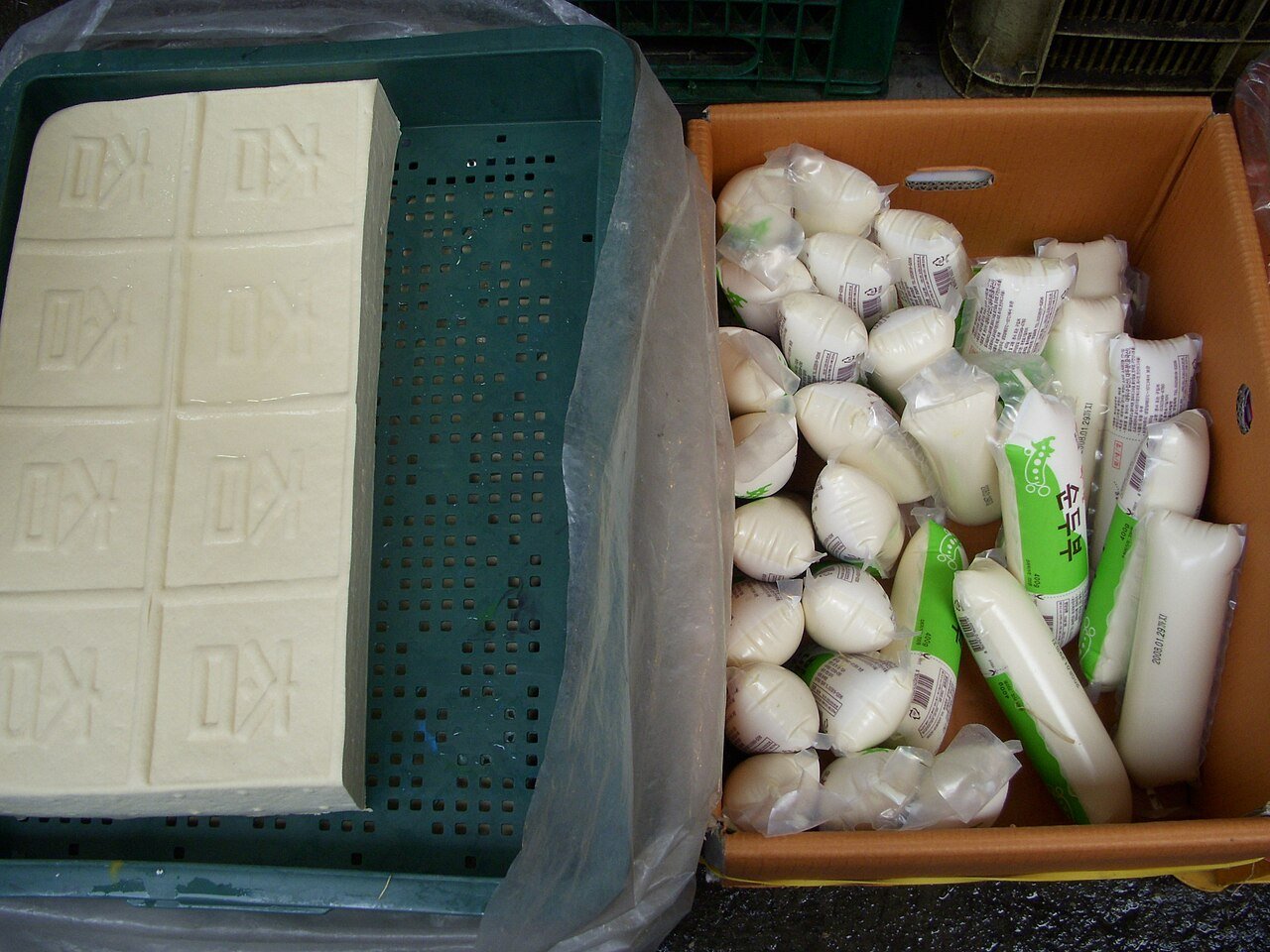

"Eat more protein" turns into confusing numbers fast. A package of chicken lists protein per 4 ounces raw, a yogurt cup per container, and a recipe app per serving cooked. The ranking of protein foods changes depending on whether you compare by weight, by serving or by calories, and on whether the food is raw or cooked.
This guide lines up common US protein foods using USDA FoodData Central data three ways: per 100 g as eaten, per 3-ounce cooked serving, and per 100 calories.
Per 100 g, as you actually eat it
All values below are for foods in the state you eat them: meat and fish cooked, beans boiled, dairy as sold.
| Food | Energy (kcal) | Protein (g) | Fat (g) | Carbohydrate (g) |
|---|---|---|---|---|
| Chicken breast, roasted, no skin | 165 | 31.0 | 3.6 | 0 |
| Turkey, roasted, meat only | 159 | 29.1 | 3.8 | 0 |
| Pork loin, roasted | 180 | 26.8 | 7.3 | 0 |
| Ground beef 90% lean, pan-browned | 230 | 28.4 | 12.0 | 0 |
| Salmon, farmed, cooked | 206 | 22.1 | 12.3 | 0 |
| Cod, cooked | 105 | 22.8 | 0.86 | 0 |
| Shrimp, cooked | 99 | 24.0 | 0.28 | 0.2 |
| Tuna, light, canned in water | 86 | 19.4 | 0.96 | 0 |
| Egg, hard-boiled | 155 | 12.6 | 10.6 | 1.1 |
| Cheddar cheese | 408 | 23.3 | 34 | 2.4 |
| Greek yogurt, plain, nonfat | 59 | 10.2 | 0.39 | 3.6 |
| Cottage cheese, low-fat | 81 | 10.4 | 2.3 | 4.8 |
| Tofu, firm | 78 | 9.0 | 4.2 | 2.9 |
| Edamame, cooked | 121 | 11.9 | 5.2 | 8.9 |
| Lentils, boiled | 116 | 9.0 | 0.38 | 20.1 |
| Black beans, boiled | 132 | 8.9 | 0.54 | 23.7 |
| Chickpeas, boiled | 164 | 8.9 | 2.6 | 27.4 |
Source: USDA FoodData Central
What stands out:
- Lean poultry, pork loin and seafood cluster at the top. Roasted chicken breast and turkey are the highest, with ground beef and pork loin close behind and shrimp, cod and canned tuna next
- Ground beef and salmon carry much more fat for similar protein. That is flavor and calories, not a defect
- Cheddar has a lot of protein by weight, but also a lot of fat, and people eat it in small amounts
- Greek yogurt and cottage cheese are the leanest high-protein dairy options here
- Tofu, edamame, lentils, black beans and chickpeas have less protein per 100 g than meat, and beans bring a significant amount of carbohydrate with it
Per 3-ounce serving
Many US recipes and meal plans use 3 ounces as a portion of cooked meat or fish, often compared to the size of a deck of cards. Here is the protein in that amount.
| Food | Energy (kcal) | Protein (g) | Fat (g) |
|---|---|---|---|
| Chicken breast, roasted | 140 | 26.4 | 3.0 |
| Turkey, roasted, meat only | 135 | 24.7 | 3.3 |
| Pork loin, roasted | 153 | 22.7 | 6.2 |
| Ground beef 90% lean | 196 | 24.2 | 10.2 |
| Salmon, farmed | 175 | 18.8 | 10.5 |
| Cod | 89.2 | 19.4 | 0.73 |
| Shrimp | 84.1 | 20.4 | 0.24 |
| Tofu, firm | 66.3 | 7.7 | 3.5 |
Source: USDA FoodData Central
A 3-ounce piece of almost any cooked meat or fish provides a solid amount of protein; the main difference between rows is fat. Firm tofu gives less protein in the same weight, so plant-based meals often use a larger portion or add beans and grains alongside it.
Per 100 calories: protein density
If you are watching calories, the more useful question is how much protein each calorie brings. The table below converts every food to the weight that supplies 100 kcal.
| Food | Weight for 100 kcal (g) | Protein (g) | Fat (g) | Carbohydrate (g) |
|---|---|---|---|---|
| Shrimp, cooked | 101 | 24.2 | 0.28 | 0.2 |
| Cod, cooked | 95 | 21.7 | 0.82 | 0 |
| Tuna, canned in water | 116 | 22.6 | 1.1 | 0 |
| Chicken breast, roasted | 61 | 18.8 | 2.2 | 0 |
| Greek yogurt, nonfat | 169 | 17.3 | 0.66 | 6.1 |
| Cottage cheese, low-fat | 123 | 12.9 | 2.8 | 5.9 |
| Tofu, firm | 128 | 11.6 | 5.3 | 3.7 |
| Egg, hard-boiled | 65 | 8.1 | 6.8 | 0.72 |
| Milk, whole | 167 | 5.5 | 5.3 | 7.8 |
| Lentils, boiled | 86 | 7.8 | 0.33 | 17.4 |
| Black beans, boiled | 76 | 6.7 | 0.41 | 18.0 |
| Peanut butter, no salt | 17 | 3.7 | 8.6 | 3.7 |
| Almonds | 17 | 3.7 | 8.6 | 3.7 |
Source: USDA FoodData Central
- Shrimp, cod and canned tuna give the most protein per calorie, because they have almost no fat
- Chicken breast and nonfat Greek yogurt follow, then low-fat cottage cheese and tofu
- Eggs and whole milk land lower, since a larger share of their calories comes from fat
- Lentils and black beans give about as much protein per calorie as eggs, with most of the rest from carbohydrate, and they add fiber
- Peanut butter and almonds need only a small amount to reach 100 calories, and most of those calories come from fat
None of these views is "correct." Per 100 g compares foods fairly, per serving matches the plate, and per 100 kcal matches calorie counting.
Mixing animal and plant protein in one meal
Most people eat a mix, and a few simple pairings make it easy:
- Beans with grains — black beans and rice, lentil soup with bread, hummus with pita
- Add eggs or dairy to plant meals — a fried egg on a grain bowl, cheese in bean burritos, yogurt sauce on chickpeas
- Stretch meat with legumes — half ground beef, half lentils in chili or tacos
- Use tofu and edamame as a base — stir-fried tofu with vegetables, edamame in salads
One ordinary day built from the tables
An example, not a plan, of the foods above spread through a day:
| Meal | Built around |
|---|---|
| Breakfast | Plain Greek yogurt with berries and a few almonds |
| Lunch | Tuna mixed with a little mayonnaise on whole-wheat bread, plus a hard-boiled egg |
| Snack | Low-fat cottage cheese with fruit, or a handful of edamame |
| Dinner | Black bean and roasted chicken tacos, or stir-fried tofu with vegetables over rice |
Each meal has one protein food at the center and a second smaller one on the side.
Reading protein on US labels
- Raw versus cooked weight. Meat packages give nutrition per raw serving, while the tables here use cooked weight. Raw and cooked figures for the same meat do not compare directly
- Serving size first. A yogurt cup, a protein bar and a jar of peanut butter each use a different serving. Compare the same amount
- "Good source" and "high" protein are regulated claims, but a high claim says nothing about the sugar or fat that comes with it. Read the rest of the panel
- Protein bars and shakes often list sugar alcohols or added fibers in the carbohydrate section. Check the ingredient list if those disagree with you
How cooking changes the picture
Heat mostly moves water and fat, not protein:
- Grilling, roasting and broiling let fat drip away and water evaporate, so cooked weight drops
- Pan-frying and breading add oil, which adds calories. Fried chicken or breaded shrimp is a different food from roasted chicken or boiled shrimp
- Braising and stewing keep fat in the pot, so skim the cooled surface if you want less of it
- Draining ground beef after browning removes some of the rendered fat
Cook meat to a safe temperature. USDA's Food Safety and Inspection Service lists 165°F for poultry, 160°F for ground meat, and 145°F with a 3-minute rest for whole cuts of beef and pork. An instant-read thermometer is the only reliable way to know.
Buying, prep and storage
| Food | Buying tip | Storage |
|---|---|---|
| Chicken, turkey | Check the sell-by date and that the package is cold and intact | Fridge, cook within a day or two, or freeze |
| Ground beef | Choose the lean-to-fat ratio on the label (90/10, 80/20) | Fridge, cook within a day or two, or freeze |
| Fish and shrimp | Frozen is often fresher than "fresh" thawed fish | Thaw in the fridge overnight |
| Eggs | Pick cartons with no cracked eggs | Fridge, in the carton |
| Tofu | Firm or extra-firm for cooking, silken for blending | Opened tofu in fresh water in the fridge, used within a few days |
| Dried beans, lentils | Lentils need no soaking; most beans do | Airtight, cool and dry |
For cooked leftovers, USDA FSIS advises refrigerating within 2 hours (1 hour above 90°F), eating within 3 to 4 days, and reheating to 165°F. FDA notes that raw or undercooked kidney beans can cause nausea, vomiting and diarrhea, so cook dried kidney beans fully; canned beans are already cooked.
Meal-prep steps for the week
- Roast a tray of chicken breasts or tofu on Sunday
- Cook a pot of lentils or beans, or open cans and rinse them
- Hard-boil a batch of eggs
- Portion into containers, label with the date and refrigerate
- Freeze anything you will not eat within 3 to 4 days
How different countries eat protein
- United States — Meat is usually the center of the plate: chicken breast, burgers, steak, turkey sandwiches. Greek yogurt, protein bars and shakes are popular snacks
- Korea — Tofu, eggs and fish appear at most meals as side dishes, with meat often grilled at the table or simmered in stews. Soybean products like doenjang and soy milk are everyday foods
- Japan — Fish, tofu, natto and eggs supply much of the protein, often several small portions in one meal rather than one large piece of meat
- Spanish-speaking countries — Beans with rice or tortillas are a daily base in Mexico and Central America, with eggs, chicken and cheese added. Spain leans on legumes such as lentils and chickpeas in stews, plus fish and jamón
None of these patterns is the single right way. Comparing per 100 calories or per serving with the tables above makes it easier to swap within your own habits rather than overhauling them.
FAQ
Why does cooked chicken show more protein than raw chicken?
Cooking drives out water, so the same piece of meat weighs less afterward and every remaining gram is more concentrated. The protein in the piece did not grow. Check whether a nutrition app or recipe uses raw or cooked weight before comparing numbers.
Are beans and lentils good protein sources?
They provide a meaningful amount of protein along with carbohydrate and fiber, so per 100 calories they deliver less protein than lean meat or fish but more fiber. Many people combine them with grains, dairy or eggs over the day.
Is Greek yogurt higher in protein than regular yogurt?
Generally yes. Greek yogurt is strained, removing much of the liquid whey, so the protein is more concentrated per spoonful. Flavored versions can add a lot of sugar, so compare labels or buy plain and add fruit yourself.
Do I need protein powder?
Most people can get their protein from ordinary foods like those in these tables. Powders are a convenience product; if you use one, read the label for serving size, protein per scoop and added sugar.