Fish Nutrition Compared: Salmon, Cod, Tilapia, Canned Tuna
Salmon, mackerel, trout, cod, tilapia and canned tuna compared with USDA data, plus what cooking, canning and smoking change and how to store fish.
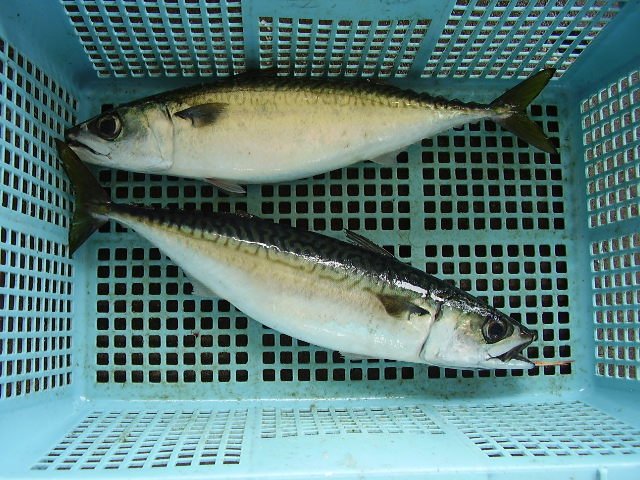

"Eat more fish" is easy advice and a confusing shopping trip. The case holds farmed salmon and wild sockeye, cod and pollock, tilapia, catfish, trout, and an aisle of cans and pouches. They are very different foods. The biggest dividing line is fat, and the next is salt in anything canned, smoked or salted.
This guide compares common US fish with official USDA FoodData Central figures, shows what cooking does to the numbers, then covers buying, thawing and storage.
Eleven fish compared, raw
| Food | Energy (kcal) | Water (g) | Protein (g) | Fat (g) | Saturated fat (g) | Cholesterol (mg) | Sodium (mg) |
|---|---|---|---|---|---|---|---|
| Salmon, Atlantic, farmed | 208 | 64.9 | 20.4 | 13.4 | 3.0 | 55 | 59 |
| Salmon, sockeye | 131 | 72.5 | 22.2 | 4.7 | 0.81 | 51 | 78 |
| Mackerel, Atlantic | 205 | 63.5 | 18.6 | 13.9 | 3.3 | 70 | 90 |
| Herring, Atlantic | 158 | 72.0 | 18.0 | 9.0 | 2.0 | 60 | 90 |
| Rainbow trout, farmed | 141 | 73.8 | 19.9 | 6.2 | 1.4 | 59 | 51 |
| Catfish, channel, farmed | 119 | 79.1 | 15.2 | 5.9 | 1.3 | 55 | 98 |
| Tilapia | 96 | 78.1 | 20.1 | 1.7 | 0.58 | 50 | 52 |
| Halibut | 91 | 80.3 | 18.6 | 1.3 | 0.29 | 49 | 68 |
| Cod, Atlantic | 82 | 81.2 | 17.8 | 0.67 | 0.13 | 43 | 54 |
| Pollock, Alaska | 76 | 82.0 | 17.2 | 0.82 | 0.15 | 61 | 159 |
| Tuna, yellowfin | 109 | 74.0 | 24.4 | 0.49 | 0.17 | 39 | 45 |
Source: USDA FoodData Central
Fat splits these fish into two groups:
- Oily fish: farmed Atlantic salmon and Atlantic mackerel have the most fat and calories here, followed by herring. Trout, sockeye and farmed catfish sit in the middle
- Lean white fish: cod, pollock, halibut and tilapia have very little fat. Yellowfin tuna is the leanest of all and also has the most protein
- Water follows fat in reverse. Lean fish like cod and pollock are mostly water, while the oily fish have noticeably less
- Farmed and wild salmon differ. Farmed Atlantic salmon has much more fat than wild sockeye, which is why it tastes richer and stays moist in the oven
- Sodium is low in all raw fish here. That changes completely once fish is salted or canned, as the third table shows
The fat in oily fish is a large part of why they are recommended, but it also means more calories per portion. Neither group is better; they cook differently and suit different dishes.
What cooking does to the numbers
| Food | Energy (kcal) | Water (g) | Protein (g) | Fat (g) | Sodium (mg) |
|---|---|---|---|---|---|
| Cod, raw | 82 | 81.2 | 17.8 | 0.67 | 54 |
| Cod, cooked | 105 | 75.9 | 22.8 | 0.86 | 78 |
| Tilapia, raw | 96 | 78.1 | 20.1 | 1.7 | 52 |
| Tilapia, cooked | 128 | 71.6 | 26.1 | 2.6 | 56 |
| Rainbow trout, farmed, raw | 141 | 73.8 | 19.9 | 6.2 | 51 |
| Rainbow trout, farmed, cooked | 168 | 68.7 | 23.8 | 7.4 | 61 |
| Catfish, farmed, raw | 119 | 79.1 | 15.2 | 5.9 | 98 |
| Catfish, farmed, cooked | 144 | 74.7 | 18.4 | 7.2 | 119 |
| Salmon, Atlantic, farmed, raw | 208 | 64.9 | 20.4 | 13.4 | 59 |
| Salmon, Atlantic, farmed, cooked | 206 | 64.8 | 22.1 | 12.3 | 61 |
Source: USDA FoodData Central
Cooked fish usually shows higher calories and protein per 100 g than raw. Nothing was added: heat drives out water, so the remaining weight is more concentrated. Compare the water column for cod, tilapia, trout and catfish. The farmed salmon pair is the exception, with nearly identical values; separate samples were analyzed for raw and cooked, so small differences in the fish themselves show up.
When you read a nutrition app, check whether a figure is for raw or cooked weight. A 6-ounce raw fillet does not weigh 6 ounces after baking.
Canned, smoked and salted: watch sodium
| Food | Energy (kcal) | Protein (g) | Fat (g) | Sodium (mg) |
|---|---|---|---|---|
| Tuna, light, canned in water | 86 | 19.4 | 0.96 | 247 |
| Tuna, light, canned in water, no salt added | 116 | 25.5 | 0.82 | 50 |
| Tuna, light, canned in oil | 198 | 29.1 | 8.2 | 416 |
| Tuna, white (albacore), canned in water | 128 | 23.6 | 3.0 | 377 |
| Salmon, pink, canned | 138 | 23.1 | 5.0 | 381 |
| Sardines, canned in oil, with bone | 208 | 24.6 | 11.4 | 307 |
| Smoked salmon (lox) | 117 | 18.3 | 4.3 | 2,000 |
| Herring, pickled | 262 | 14.2 | 18 | 870 |
| Anchovies, canned in oil | 210 | 28.9 | 9.7 | 3,668 |
| Cod, dried and salted | 290 | 62.8 | 2.4 | 7,027 |
Source: USDA FoodData Central
- Canned tuna in water is lean. The no-salt-added version cuts sodium dramatically
- Oil-packed tuna has many times the fat of water-packed, even drained
- Albacore ("white") tuna has more fat and more sodium than light tuna in water in this data
- Smoked salmon (lox) is very high in sodium. A few slices on a bagel carry a lot of salt
- Anchovies and salt cod are the extremes. Salt cod (bacalao) is always soaked in several changes of water before cooking, and anchovies are best used as a seasoning, not a main ingredient
The World Health Organization recommends adults keep salt under 5 g a day, which is less than 2,000 mg of sodium. Canned fish is convenient and inexpensive; just account for it, and look for "no salt added" or "low sodium" on the label.
Matching fish to the dish
| Cooking method | Good choices | Why |
|---|---|---|
| Baking, roasting | Salmon, trout, mackerel | Fat keeps them moist in dry heat |
| Grilling | Salmon, swordfish, tuna steaks | Firm flesh holds together on grates |
| Pan-searing | Cod, halibut, tilapia | Quick cooking keeps lean fish from drying out |
| Poaching, steaming | Cod, halibut, pollock | Gentle heat suits delicate white fish |
| Frying, fish tacos | Catfish, pollock, cod, tilapia | Mild flavor takes batter and spices |
| No cooking (salads, sandwiches) | Canned tuna, salmon, sardines | Already cooked in the can |
How to buy fish
- Smell — Fresh fish smells like clean water or the sea. A strong fishy or ammonia smell is a pass
- Fillets — The flesh should look moist and firm, without gaps between the flakes, browning at the edges or pooled liquid in the package
- Whole fish — Look for clear, bulging eyes, bright red gills and skin that springs back when pressed
- Labels — US country-of-origin labeling covers most fresh and frozen retail fish, including whether it is wild or farmed. "Previously frozen" is common and not a problem
- Frozen fish — Choose packages that are solidly frozen, without ice crystals or freezer burn inside, which suggest thawing and refreezing
If you are pregnant or feeding young children, the FDA and EPA publish joint advice on which fish to choose. It is worth reading before you plan meals.
Handling and storage, step by step
- Shop last. Put fish in the cart at the end of your trip, and bag it separately from produce
- Refrigerate right away, in the coldest part of the fridge, on a plate or in a container to catch drips
- Cook within a day or two. Fish spoils faster than most meat
- Freeze anything you won't use by then. Pat dry, wrap tightly in plastic, then foil or a freezer bag, and label with the date
- Thaw in the refrigerator overnight. For a faster thaw, put the sealed package in cold water. Never thaw on the counter. USDA FSIS notes that food thawed in the refrigerator can be refrozen
- Rinse is optional; drying is not. Pat fillets dry with paper towels before cooking for better browning
- Leftovers — refrigerate within 2 hours (1 hour above 90°F) and eat within 3 to 4 days, per USDA FSIS
To remove pin bones from a salmon fillet, run your fingers along the center line to find them, then pull each one out at an angle with clean tweezers or needle-nose pliers.
How different countries eat fish
- United States — Shrimp, salmon and canned tuna dominate. Fish shows up as baked salmon, fish sandwiches, fried catfish in the South and fish tacos in the West
- Japan — Fish is part of daily meals: grilled salted mackerel or salmon at breakfast, raw fish as sashimi and sushi, and dried small fish for stock. Many fish are sold already salted, so salt is added sparingly at the table
- Korea — Grilled mackerel and hairtail, spicy fish stews and salted, dried croaker are home staples. Salted fish is a long tradition, so Korean cooks soak or rinse it before grilling
- Spanish-speaking countries — Spain and Portugal's salt cod (bacalao) is soaked for a day or more; Peru and Mexico serve raw fish marinated in lime juice as ceviche; canned tuna and sardines are everyday pantry foods
None of these is the single right approach. If fish is new in your kitchen, a weekly salmon or trout fillet in the oven and a can of tuna or sardines for lunch cover both the oily and lean sides with little effort.
FAQ
Is frozen fish worse than fresh?
Not necessarily. Much of the "fresh" fish at US seafood counters was frozen earlier and thawed, often labeled "previously frozen." Fish frozen soon after the catch and thawed properly in the refrigerator can be in better shape than fresh fish that sat for days. Pick whichever you will cook soonest.
Should I buy tuna packed in water or in oil?
In the USDA data, light tuna in oil has far more fat and calories than tuna in water. If you will drain it and add mayonnaise or dressing anyway, water-packed gives you more control. Oil-packed tuna is richer and suits pasta or salads where its oil becomes the dressing.
How do I know when fish is done?
The flesh turns from translucent to opaque and separates into flakes when you press it with a fork. Thin fillets get there in minutes, so check early. An instant-read thermometer in the thickest part removes the guesswork; follow the fish temperature on USDA's safe minimum temperature chart.
How long can I keep fish in the refrigerator?
Raw fish is best cooked within a day or two of buying. Cooked fish follows USDA's leftover guidance, refrigerating within 2 hours and eating within 3 to 4 days. For longer storage, freeze it.