Diet Styles Compared: Low-Carb, Mediterranean, Asian Plates
How low-carb, Mediterranean, Korean-style, vegetarian and time-restricted eating fill a plate, compared by protein, fat, carbohydrate and sodium with USDA data.
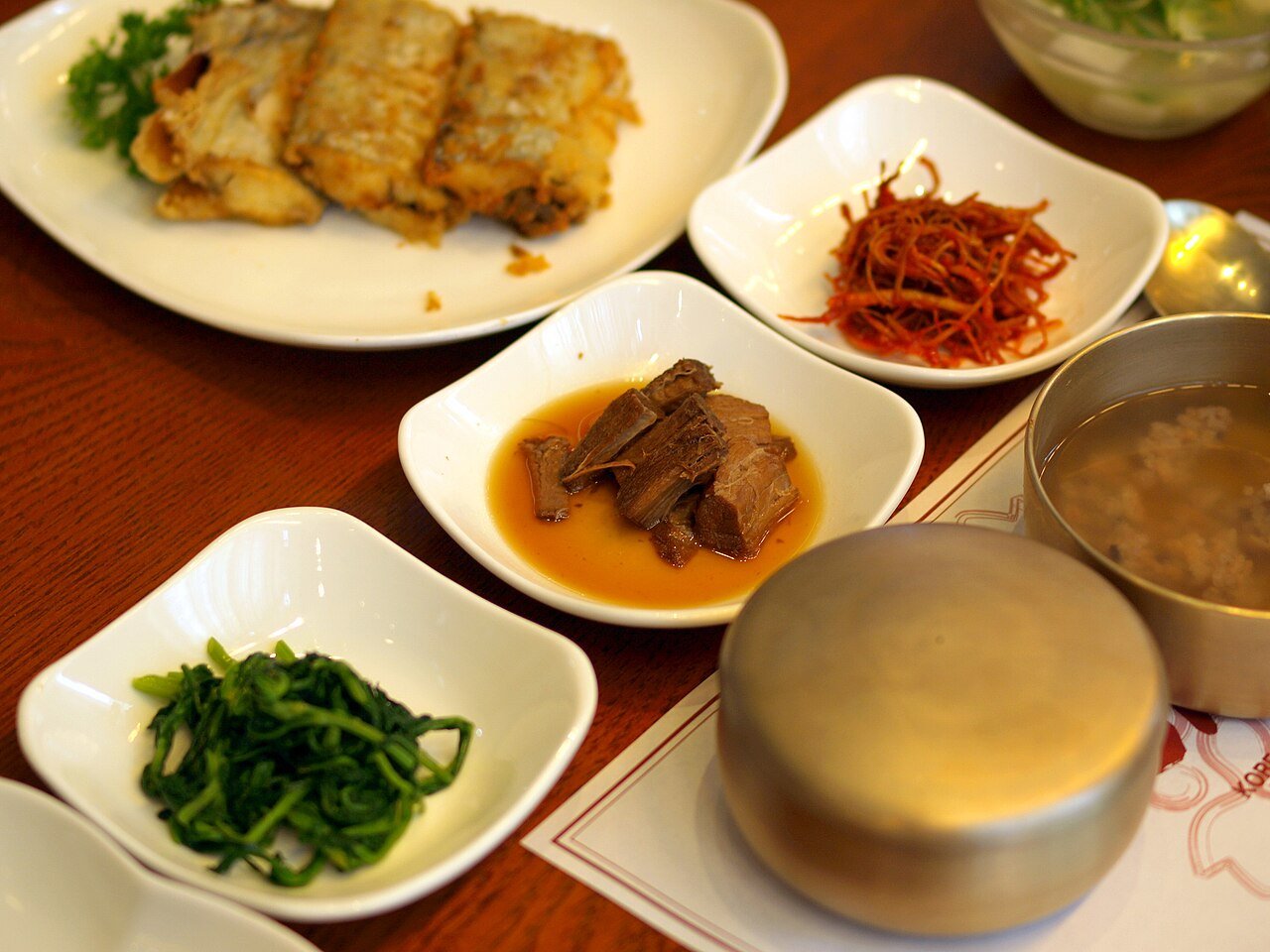

Low-carb, Mediterranean, plant-based, a traditional Korean table, eating only within certain hours: each style comes with its own promises and its own fans. Underneath the labels, the practical question is simpler. What ends up on the plate, and how does it split between protein, fat and carbohydrate?
This article compares those patterns by plate composition only, using USDA FoodData Central. It does not claim that any style improves health or changes body weight; those questions depend on the person and belong with a doctor or dietitian.
First, the three building blocks
Most of the energy in food comes from three macronutrients, sometimes shortened to PFC:
- Protein — meat, fish, eggs, dairy, tofu, beans and lentils
- Fat — oils, butter, nuts, seeds, avocado, cheese, fatty fish and meat
- Carbohydrate — grains, bread, potatoes, beans, fruit, milk and sugar
Every eating style is a different answer to how much of the plate each one takes, and which foods supply it.
Korean and Japanese home tables: rice in the center
A typical home meal is a bowl of rice, a soup, and several small side dishes. Rice supplies most of the carbohydrate; fish, tofu and eggs bring protein; vegetables and fermented foods fill the rest.
| Food | Energy (kcal) | Protein (g) | Fat (g) | Carbohydrate (g) | Fiber (g) | Sodium (mg) |
|---|---|---|---|---|---|---|
| White rice, cooked | 130 | 2.7 | 0.28 | 28.2 | 0.4 | 1 |
| Brown rice, cooked | 123 | 2.7 | 0.97 | 25.6 | 1.6 | 4 |
| Tofu, firm | 78 | 9.0 | 4.2 | 2.9 | 0.9 | 12 |
| Mackerel, Atlantic, cooked | 262 | 23.9 | 17.8 | 0 | 0 | 83 |
| Spinach, boiled | 23 | 3.0 | 0.26 | 3.8 | 2.4 | 70 |
| Kimchi | 15 | 1.1 | 0.5 | 2.4 | 1.6 | 498 |
| Egg, hard-boiled | 155 | 12.6 | 10.6 | 1.1 | 0 | 124 |
Source: USDA FoodData Central
- Rice carries the carbohydrate. It is almost all carbohydrate, with little protein or fat. Brown rice adds some fiber but is otherwise similar
- Protein comes from the side dishes. Mackerel and eggs supply the most protein here; tofu adds protein with less fat
- Sodium comes from seasoning. Kimchi is the saltiest row by far, and soups, soy sauce and pickles add more. Rice, tofu and fish themselves are low
- Vegetables add volume and fiber with very few calories, as the spinach row shows
Low-carbohydrate, higher-fat: fat takes rice's place
In low-carb eating, the grain, potato and sugar portion of the plate shrinks, and fat and protein fill the space.
| Food | Energy (kcal) | Protein (g) | Fat (g) | Carbohydrate (g) | Fiber (g) | Sodium (mg) |
|---|---|---|---|---|---|---|
| Egg, hard-boiled | 155 | 12.6 | 10.6 | 1.1 | 0 | 124 |
| Salmon, farmed, cooked | 206 | 22.1 | 12.3 | 0 | 0 | 61 |
| Avocado | 160 | 2 | 14.7 | 8.5 | 6.7 | 7 |
| Cheddar cheese | 403 | 22.9 | 33.3 | 3.4 | 0 | 653 |
| Almonds | 579 | 21.1 | 49.9 | 21.6 | 12.5 | 1 |
| Broccoli, raw | 34 | 2.8 | 0.37 | 6.6 | 2.6 | 33 |
| Olive oil | 884 | 0 | 100 | 0 | 0 | 2 |
Source: USDA FoodData Central
- Fat dominates several rows. Avocado, cheese, almonds and olive oil carry far more fat than protein
- Eggs and salmon are the protein anchors, with fat alongside
- Almonds bring more carbohydrate than you might expect, though much of it is fiber
- Cheese adds sodium, more than any other row in this table
- Non-starchy vegetables such as broccoli are the main source of fiber when beans and whole grains are cut back
Mediterranean-style: beans, whole grains and olive oil
Mediterranean-style eating is built on vegetables, beans, whole grains, fish and olive oil, with less red meat.
| Food | Energy (kcal) | Protein (g) | Fat (g) | Carbohydrate (g) | Fiber (g) | Sodium (mg) |
|---|---|---|---|---|---|---|
| Chickpeas, cooked | 164 | 8.9 | 2.6 | 27.4 | 7.6 | 7 |
| Lentils, cooked | 116 | 9.0 | 0.38 | 20.1 | 7.9 | 2 |
| Whole-wheat bread | 252 | 12.4 | 3.5 | 42.7 | 6 | 455 |
| Sardines, canned in oil | 208 | 24.6 | 11.4 | 0 | 0 | 307 |
| Tomato | 18 | 0.88 | 0.2 | 3.9 | 1.2 | 5 |
| Green olives, brined | 145 | 1.0 | 15.3 | 3.8 | 3.3 | 1,556 |
| Olive oil | 884 | 0 | 100 | 0 | 0 | 2 |
Source: USDA FoodData Central
- Chickpeas and lentils provide carbohydrate, protein and fiber together with very little fat; in the low-carb table, only almonds combine those three, and they come with a lot of fat
- Whole-wheat bread is a major carbohydrate source here, and bread brings sodium too
- Sardines provide protein and fat, and they are usually eaten with the soft bones
- Olives and olive oil supply most of the fat. Brined olives are the saltiest row in any table in this article
Time-restricted eating: when, not what
Intermittent fasting and time-restricted eating set an eating window, for example eating within certain hours of the day. They say nothing about what to put on the plate. In practice:
- Fewer meals means each meal carries more of the day's food, so balance per meal matters more
- Starting the window with protein, vegetables and a measured starch avoids filling up on whatever is quickest
- People who are pregnant, have diabetes or take medication that has to be taken with food should check with a doctor before skipping meals
Vegetarian plates: where the protein comes from
Removing meat and fish shifts protein to tofu, tempeh, beans, lentils, eggs and dairy. Looking back at the tables, tofu, chickpeas and lentils each provide meaningful protein, and beans and lentils add fiber that meat does not. For a fully plant-based (vegan) plate, nutrients usually found in animal foods need planning, and a registered dietitian can help.
One dinner, four ways
To see the differences without labels, start from the same ingredients, a piece of fish and some vegetables, and build dinner in each style:
| Style | Starch spot | Protein spot | Fat source | Vegetables |
|---|---|---|---|---|
| Korean or Japanese home table | A bowl of rice | Grilled mackerel, maybe tofu in the soup | Little added; the fish itself | Seasoned spinach, kimchi, soup vegetables |
| Low-carb, higher-fat | None, or very small | Salmon, perhaps an egg | Butter or olive oil, avocado, cheese | Broccoli or a green salad |
| Mediterranean-style | Whole-wheat bread or a grain | Sardines or white fish, plus chickpeas | Olive oil, olives | Tomato salad, roasted vegetables |
| Vegetarian | Rice, bread or potatoes | Tofu, lentils, beans or eggs instead of fish | Oil, nuts or seeds | Any of the above |
A few things become clear when the same dinner is laid out this way:
- The vegetable spot is shared by every style. The disagreements are about the other three spots
- The starch spot is where styles differ most. It is full in the Korean and Japanese table, nearly empty in low-carb, and filled with whole grains or bread in Mediterranean-style eating
- Sodium travels with the side dishes and condiments, not with the style's name. Kimchi, cheese, olives and bread are each salty in their own way
- Cooking effort varies more than nutrition labels suggest. Several side dishes take time; a sheet-pan dinner of salmon and broccoli does not
When you are deciding what to try, it can help to ask which of these plates you would actually enjoy cooking several nights a week. A style you can keep up with ordinary groceries tends to be easier to judge than one that needs special products.
Comparing your own plate, step by step
- Write down one ordinary day of meals and snacks, including drinks
- Mark each food as mainly protein, mainly fat, mainly carbohydrate, or vegetable
- Look for the empty spot. A breakfast of toast and juice has no protein; a lunch of salad has no starch
- Look for the doubled spot. Pasta with garlic bread, or rice with noodles, stacks carbohydrate
- Check the salt sources. Sauces, broths, pickles, cheese, bread and processed meats are where sodium collects. The World Health Organization recommends that adults eat less than 5 g of salt a day, which is less than 2,000 mg of sodium
- Change one thing at a time, and see whether it fits your week before adding another
How different countries fill the plate
- United States — A protein (often meat) takes the center, with a starch side and a vegetable side; sandwiches, bowls and pasta are common one-dish meals. Low-carb and plant-based versions of nearly everything sit on supermarket shelves
- Korea — Rice, soup and several side dishes (banchan), with vegetables served in many forms and fermented foods such as kimchi at most meals
- Japan — The ichiju sansai idea, one soup and three side dishes with rice, shapes many home meals, with fish, tofu and seasonal vegetables
- Spanish-speaking countries — In Spain, olive oil, bread, legumes, fish and vegetables form the Mediterranean pattern. In Mexico, corn tortillas and beans are the base, with chiles, tomatoes and squash
None of these is a single correct plate. Comparing what each puts in the protein, fat and carbohydrate spots helps you borrow the parts that fit your own meals.
FAQ
Which of these eating styles is best?
This article does not rank them. Each fills the plate differently, and the right fit depends on your tastes, budget, cooking time, culture and any advice from your own doctor or dietitian. Comparing what ends up on the plate is the practical starting point.
Does time-restricted eating change what I should eat?
Time-restricted eating sets when you eat, not what. The meals inside the eating window still need the same building blocks, so the plate-building steps in this article apply in the same way.
Is a low-carb plate automatically high in protein?
Not necessarily. In the table, avocado, almonds, cheese and olive oil carry far more fat than protein. Many low-carb plates end up mostly fat, so check where the protein comes from.
I have a medical condition. Can I use this comparison?
Use it to understand what is on a plate, not to choose a diet for a condition. If you have diabetes, kidney disease or another condition, or take medication, talk with your doctor or a registered dietitian before changing how you eat.