Reheating Leftovers: Rice, Chicken, Spinach, Eggs, Mushrooms
Which "never reheat" warnings about rice, spinach, mushrooms, eggs and chicken hold up, plus USDA cooling, storage and reheating rules.
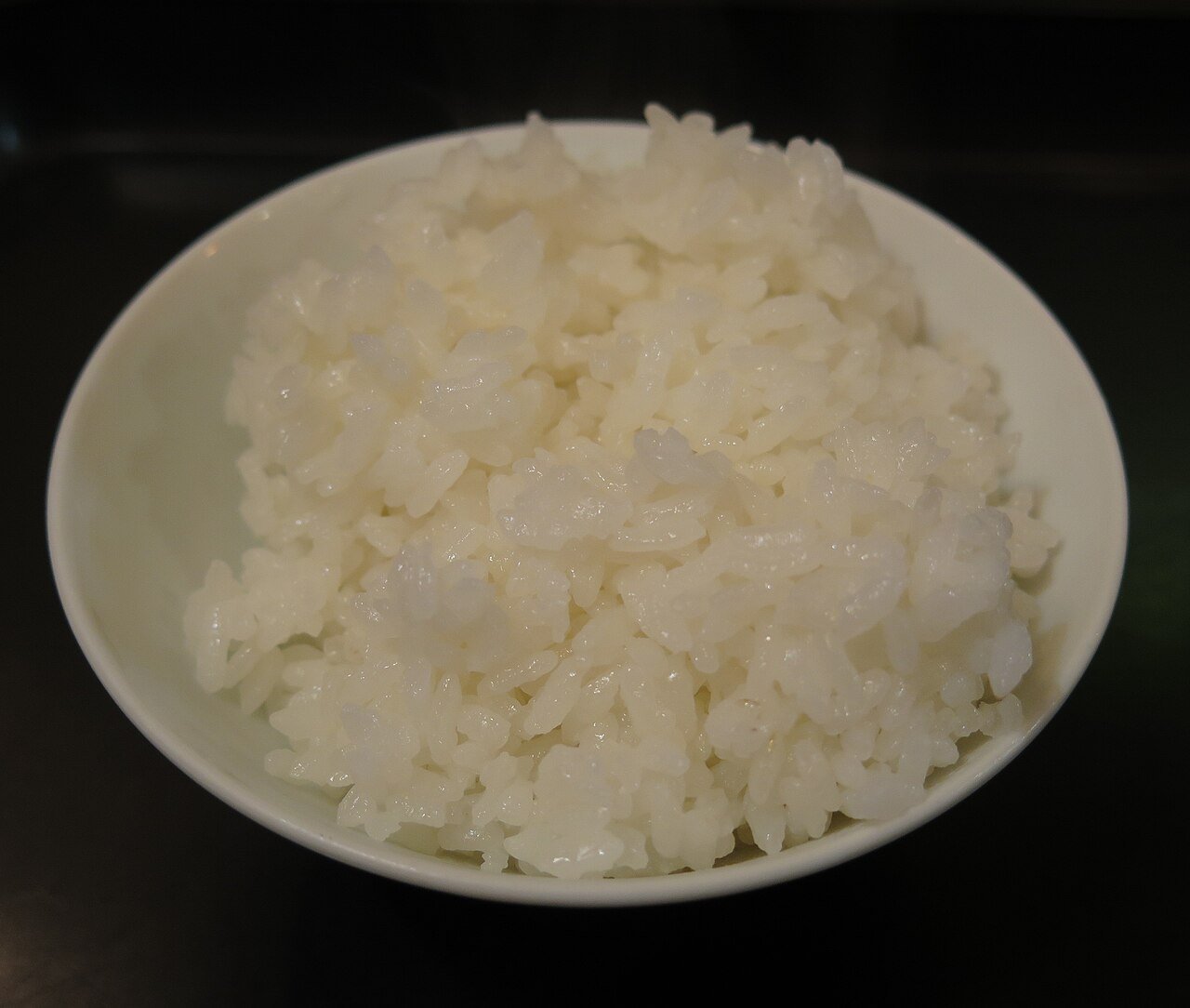

Lists of "foods you should never reheat" circulate every few months: rice, spinach, mushrooms, eggs, chicken, potatoes. Some contain a real point, others are mostly myth, and almost all of them blame the wrong step. The problem is rarely the reheating itself. It is how long the food sat out before it went into the refrigerator.
This guide sorts each claim, lays out the USDA Food Safety and Inspection Service (FSIS) rules for cooling and reheating, and uses USDA FoodData Central figures to show what cooking actually changes in food.
The rule that matters most: time at room temperature
Bacteria grow fastest between 40°F and 140°F, the range FSIS calls the danger zone. Cooking kills many bacteria, but not all, and some leave behind spores or toxins. The longer cooked food sits in the danger zone, the more chance there is for growth.
USDA FSIS guidance:
- Refrigerate cooked food within 2 hours of cooking. If the air is above 90°F, such as at a summer picnic, the limit is 1 hour
- Eat refrigerated leftovers within 3 to 4 days, or freeze them
- Reheat leftovers to 165°F
- Food thawed in the refrigerator can be refrozen
Everything below follows from these four points.
Food by food
Rice: the warning is mostly true, but the reason is storage
Rice can carry spores of Bacillus cereus, a bacterium whose spores survive cooking. If cooked rice sits at room temperature for a long time, the spores can grow and produce toxins, and some of those toxins are not destroyed by reheating. That is where the warning comes from.
So the fix is not leaving cooked rice out:
- Portion leftover rice as soon as the meal is served, not after it has sat on the stove for the evening
- Spread it in shallow containers so it cools quickly
- Refrigerate within 2 hours, or freeze for longer storage. Frozen rice keeps its texture better than refrigerated rice
- Reheat with a splash of water, covered, until steaming hot throughout
Day-old rice for fried rice is fine when it cooled in the refrigerator, not on the counter.
Spinach and other leafy greens: a conditional story
Leafy greens contain nitrates, and if cooked spinach sits warm for a long time, bacteria can convert some nitrate to nitrite. That is the root of the "never reheat spinach" warning, and it is mostly raised for food prepared for babies. Spinach that was cooled promptly, refrigerated and eaten within a day or two follows the same rules as any leftover.
Mushrooms: the issue is spoilage
Mushrooms are moist and spoil quickly at room temperature. The warning likely comes from mushroom dishes left out for hours. Cooked mushrooms refrigerated promptly and reheated thoroughly are like any other leftover.
Eggs: mostly about texture
Reheated eggs turn rubbery as the proteins firm up further. That is a quality issue. The safety points are not leaving egg dishes at room temperature and not saving runny or undercooked eggs. Eat soft scrambled or runny eggs right away; if you plan leftovers, such as a breakfast casserole or frittata, cook them through.
Chicken: heat it all the way through
The real risk with reheated chicken is uneven heating: hot on the outside, cold in the middle. Slice or shred thick pieces, cover them, and check that the center reaches 165°F.
Potatoes: unwrap baked potatoes before storing
Potatoes baked in foil should not sit wrapped at room temperature for hours. Remove the foil, let them cool, and refrigerate within the 2-hour window like any other cooked food.
What cooking changes in the food
Reheating does not turn food into something else, but the first cooking does change the numbers per 100 g.
| Food | Energy (kcal) | Water (g) | Protein (g) | Potassium (mg) | Folate (µg) | Vitamin C (mg) |
|---|---|---|---|---|---|---|
| Spinach, raw | 23 | 91.4 | 2.9 | 558 | 194 | 28.1 |
| Spinach, boiled | 23 | 91.2 | 3.0 | 466 | 146 | 9.8 |
| Broccoli, raw | 34 | 89.3 | 2.8 | 316 | 63 | 89.2 |
| Broccoli, boiled | 35 | 89.2 | 2.4 | 293 | 108 | 64.9 |
| Potato, baked with skin | 93 | 74.9 | 2.5 | 535 | 28 | 9.6 |
| Potato, boiled in skin | 87 | 77.0 | 1.9 | 379 | 10 | 13 |
| Egg, raw | 143 | 76.2 | 12.6 | 138 | 47 | 0 |
| Egg, hard-boiled | 155 | 74.6 | 12.6 | 126 | 44 | 0 |
| Egg, scrambled | 149 | 76.4 | 10.0 | 132 | 36 | 0 |
Source: USDA FoodData Central
- Spinach loses some vitamin C and folate when boiled, because both dissolve into the cooking water. Potassium drops too
- Broccoli in this data shows less vitamin C after boiling but more folate; separate samples were analyzed for raw and boiled, so small differences reflect the vegetables tested as well
- Baked potatoes keep more potassium than boiled ones in this comparison
- Eggs change little in calories or protein between raw and hard-boiled; the scrambled entry reads a little lower on protein, so check what was mixed in when comparing egg dishes
| Food | Energy (kcal) | Water (g) | Protein (g) | Fat (g) | Carbohydrate (g) |
|---|---|---|---|---|---|
| White mushrooms, raw | 22 | 92.5 | 3.1 | 0.34 | 3.3 |
| White mushrooms, sautéed | 26 | 91.1 | 3.6 | 0.33 | 4.0 |
| White mushrooms, microwaved | 35 | 88.5 | 3.9 | 0.46 | 6.0 |
| Chicken breast, roasted | 165 | 65.3 | 31.0 | 3.6 | 0 |
| Chicken breast, stewed | 151 | 68.3 | 29.0 | 3.0 | 0 |
| White rice, medium-grain, cooked | 130 | 68.6 | 2.4 | 0.21 | 28.6 |
Source: USDA FoodData Central
- Mushrooms lose water when cooked, so the other values concentrate. The sautéed entry shows no added fat; microwaving removes the most water
- Roasted versus stewed chicken differ mostly in water: dry heat removes more, so per 100 g the roasted version reads higher
- Rice is mostly water once cooked, which is also why it dries out in the fridge and benefits from a splash of water when reheating
Reheating a second time mainly drives off more water and toughens textures. To keep food appealing, reheat only what you will eat.
Reheating, step by step
- Take out one portion, leaving the rest in the fridge
- Add a little moisture to rice, pasta and grains, and cover the dish
- Microwave in short bursts, stirring or turning between them; microwaves heat unevenly
- Let it stand for a minute or two so heat spreads
- Check the center with a food thermometer; FSIS advises 165°F
- Sauces, soups and gravies: bring to a rolling boil
- Do not reheat food in a slow cooker; it warms too slowly. Reheat on the stove or in the microwave first, then hold it warm if needed
Cooling and storing like a restaurant
- Divide big batches. A deep pot of chili or soup stays warm in the middle for hours. Split it into shallow containers
- Cool quickly. Set a pot in a sink of ice water and stir, or spread food on a sheet pan
- It is fine to put warm food in the fridge. You do not need to wait until it reaches room temperature
- Label containers with the date so the 3-to-4-day limit is easy to track
- Freeze extras flat in bags; they thaw faster and stack well
- Thaw in the refrigerator, not on the counter
How different countries handle leftovers
- United States — Takeout and big-batch cooking make leftovers a weekly routine. Meal prep containers and "leftover night" are common, and microwaves do most reheating
- Korea — Rice is often cooked in a large batch and kept warm in the rice cooker for many hours, and many households also freeze rice in single portions. Side dishes (banchan) are made in batches and eaten over several days from the fridge
- Japan — Freezing rice in individual wrapped portions is widespread, and packed lunches (bento) often use the previous night's food; many guides advise cooling bento ingredients fully before closing the box
- Spanish-speaking countries — Stews such as cocido and frijoles are often made in large pots and reheated, while dishes like tortilla española are commonly eaten at room temperature soon after cooking
Habits differ, but the rule is the same everywhere: cool food quickly, keep it cold, reheat it thoroughly, and eat it within a few days.
FAQ
Is it safe to reheat rice?
Yes, if it was cooled and refrigerated promptly. The risk with rice comes from leaving cooked rice at room temperature, where bacteria from spores that survive cooking can multiply. Refrigerate leftover rice within 2 hours, eat it within 3 to 4 days, and reheat it until steaming hot throughout.
How many times can I reheat leftovers?
Quality drops each time, and every round trip through the danger zone (40 to 140°F) adds time for bacteria. The simplest habit is to reheat only the portion you will eat and keep the rest refrigerated.
Can I refreeze food I thawed?
USDA FSIS says food thawed in the refrigerator can be refrozen, although texture may suffer. Food thawed in cold water or the microwave should be cooked before refreezing.
How do I know leftovers are hot enough?
Use a food thermometer in the thickest part or center. USDA FSIS advises reheating leftovers to 165°F. In a microwave, cover the food, stir or rotate halfway, and let it stand a minute or two so heat spreads evenly.